
On World Hepatitis Day, Turning Point Scotland is highlighting the important role nurses play alongside colleagues and partners in the community to provide assertive outreach and harm reduction.
Hepatitis is an inflammation of the liver that is often caused by an infectious virus, which when untreated leads to serious health problems. The most common viruses are Hepatitis A, Hepatitis B, which can be prevented through vaccination, and Hepatitis C. While there is no vaccine for Hepatitis C it can be treated and cured with medication.
This World Hepatitis Day the theme is ‘Hepatitis: Let’s Break It Down’, focusing on removing barriers between people and lifesaving services.
Through their work, Turning Point Scotland nurses provide information about blood borne viruses, provide advice on prevention, how to access vaccination for Hepatitis A and B, offer dry blood spot testing and signposting to relevant treatment services.
Head of Clinical and Care Governance, Mandy Ramsay, provides professional leadership to the team of nurses at Turning Point Scotland who work at services across the country in different social care sectors.
“Our nurses at Turning Point Scotland play a vital role in ensuring dignified healthcare for people we support, helping them to overcome the barriers they face,” she said.
“World Hepatitis Day is an opportunity to address stigma and raise awareness while sharing how Turning Point Scotland provides harm reduction interventions and supports access to treatment.
“The pathways to treatment are now much more accessible but misconceptions remain around what treatment for Hepatitis C involves as it has evolved over the years.”
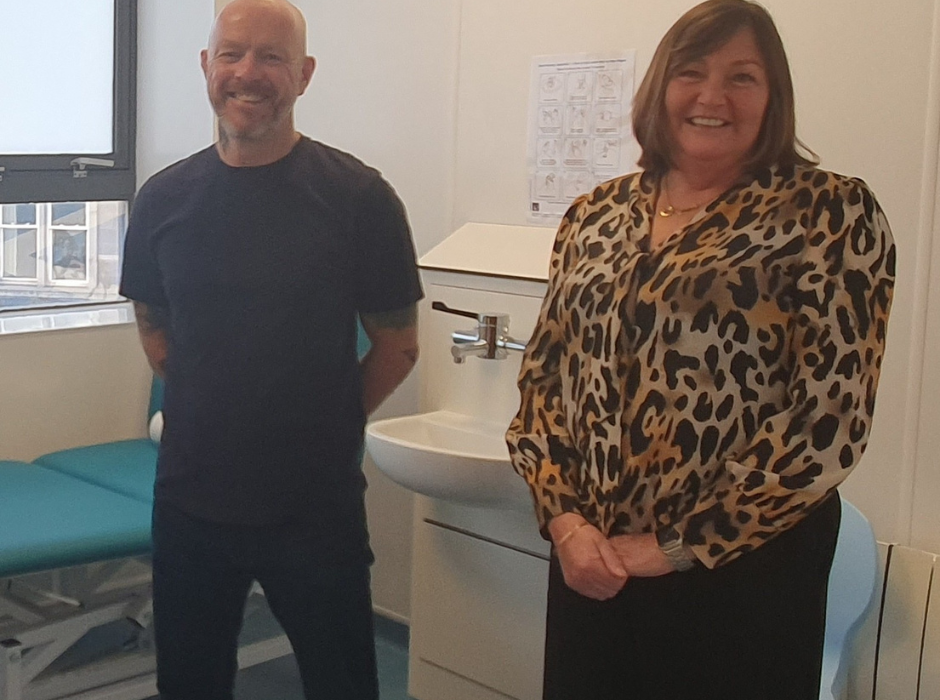
Senior Nurse, Lindsay Ross has 30 years of experience working in local healthcare within the Aberdeen community.
In his role with the Aberdeen Housing Services team Lindsay provides assessment and treatment through assertive outreach in the community and at Turning Point Scotland’s clinic room on Holburn Street.
“When I provide support to people through outreach in the community, I look for signs of illness, assessing and treating where possible,” he said.
“In the past Hepatitis C treatment involved a lengthy course of medications involving significant and unpleasant side effects.
“There are now ways that individuals can be supported to access and maintain their treatment, over a shorter period of time, with minimal side effects and a 95% cure rate.”